How long before a plant flowers depends first on whether it has even left the juvenile phase, a developmental stage every seed-grown plant passes through during which flowering is not physiologically possible, regardless of light, feeding, or a cool season. How long that phase lasts depends heavily on the species and, just as much, on how the plant was propagated. A plant grown from a cutting or graft often skips most of the wait a seed-grown plant of the same species would face, which is why maturity is worth ruling out before assuming your care is at fault.
The juvenile phase is a real developmental stage, not an excuse
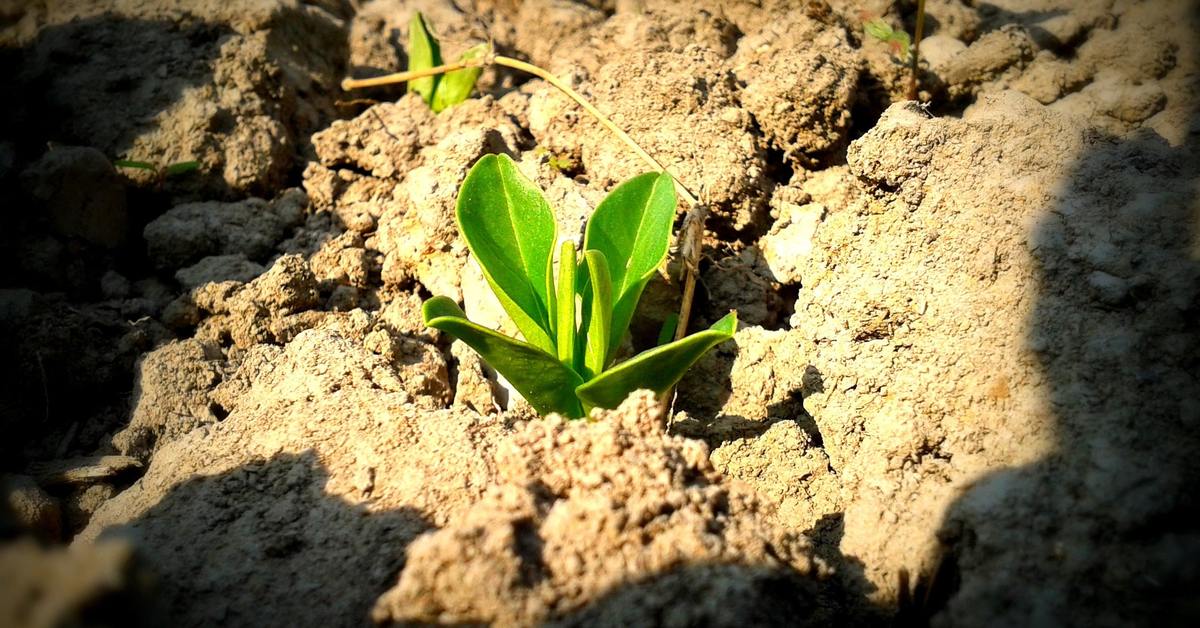
It is tempting to treat “it’s just young” as a catch-all explanation for a plant that will not flower, but the underlying biology is specific and well established. A 2020 review in the International Journal of Molecular Sciences, by Manuela and Xu, describes the vegetative period of a plant’s life as split into two distinct stages, “the juvenile phase and adult phase,” distinguished by measurable physical traits such as leaf shape, leaf size, and leaf surface features that change as a shoot matures. A plant in the juvenile phase is not simply small. It is running a different developmental program, one in which the shoot meristem, the growing tip that decides what to build next, is not yet competent to build a flower even under otherwise ideal conditions.
This is a genuinely different failure from every other cause on this site’s list. A plant with a light deficiency, a nitrogen surplus, or a missing cool period is capable of flowering and is simply not being given the right conditions to trigger it. A juvenile plant cannot flower under any conditions, because the switch that turns a growing tip into a flower has not yet become available to it.
How long the wait actually is
The honest answer is that it varies enormously by species, and the two firmly documented examples are not gentle numbers.
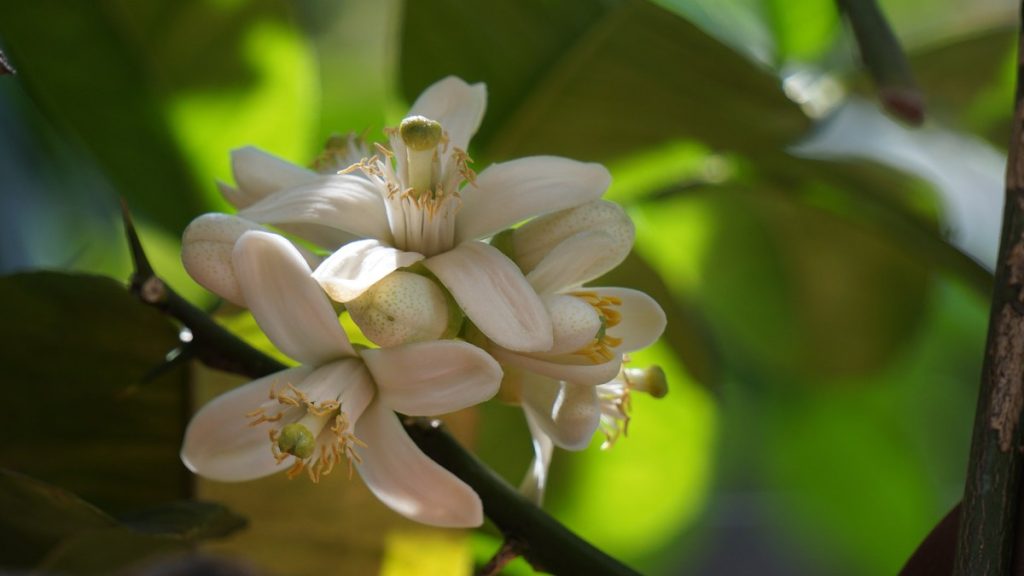
Citrus. As reported by Agustí, Reig, Martínez-Fuentes and Mesejo in a 2022 review in Frontiers in Plant Science, “in Citrus, this period lasts between 5 and 20 years, depending on the species” when the plant is grown from seed. That is not a typo. A seed-grown citrus tree can spend two decades in a state where no amount of light or feeding will produce a flower.
Wisteria, used here as an illustrative example rather than as one of this site’s four genera, shows the same pattern even more starkly. Utah State University Extension, in guidance published in 2015, states plainly that “wisteria planted from seed take up to 15 years to start flowering,” while commercially available grafted plants, propagated from a cutting of an already-mature plant, are described as “the most reliable bloomers” because grafting sidesteps the juvenile clock almost entirely.
Neither figure is meant to predict your specific plant’s timeline. They exist to establish that “young” is not a vague, hand-wavy explanation. In some species it is a wait measured in years, not weeks, and no technique changes that.
Why propagation method matters more than the calendar
This is the detail that actually helps most readers, because it explains why the same species can behave completely differently depending on where the plant came from.
A plant grown from seed starts the juvenile clock from zero. A plant grown from a cutting or a graft is, developmentally, a piece of an already-mature plant, and it typically carries that maturity with it rather than restarting the juvenile phase. This is precisely why commercial nurseries propagate ornamental and fruiting plants vegetatively rather than from seed wherever possible: it is the standard, deliberate way of skipping years of juvenility, not an accident of convenience.
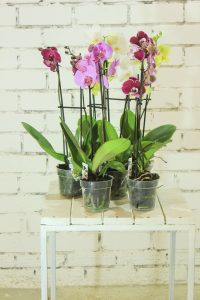
The practical consequence for a fragrant houseplant bought at a nursery or garden center: most retail plants are propagated from cuttings, not seed, precisely so the buyer does not have to wait out a full juvenile period. If your plant came from a store as an established specimen, age alone is a less likely explanation for a total lack of flowers than it would be for a plant you grew yourself from seed. If you did start your plant from seed, or from a very young rooted cutting, maturity deserves serious consideration before you look anywhere else.
What to look for instead of counting years
Because chronological age is not a reliable guide on its own, and because published age figures barely exist for the genera this site covers, the more useful approach is to look at the plant itself for signs that it has left the juvenile phase.
- Has the leaf shape or size changed as the plant has grown? Some plants show a visibly different leaf form on new growth once they mature, a heteroblastic shift documented across many species in the phase-change literature. A plant still producing the same small or differently shaped leaves it had at the start has not necessarily changed developmental stage.
- How was it propagated? A cutting or graft from a known mature plant starts closer to flowering readiness. A plant you grew from seed is starting from the beginning.
- How large and established is the root and stem structure? Juvenility is tied to developmental stage more than raw size, but a plant that is still small and putting all its energy into basic structure has generally not accumulated the resources a flower would require regardless of its developmental stage.
- Has it ever, even once, produced a bud? A plant that has flowered before, even a single time, has demonstrated it is past the juvenile phase. The absence of flowers after that point points toward a condition problem, not a maturity problem, and the rest of this site’s Cluster 1 rows are the more useful place to look. Start at why a fragrant houseplant refuses to flower indoors.
What does not shorten a juvenile phase
Nothing about feeding, watering, or light intensity moves a genuinely juvenile plant into adulthood faster. The mechanism is developmental, governed by internal signaling rather than external inputs, which is why no product marketed as a bloom stimulant can shorten it. The one input that reliably shortens the wait is not a technique applied to a seed-grown plant at all. It is choosing a plant that was propagated from cuttings or a graft in the first place, since that plant inherits the maturity of the parent it was taken from.
If your plant is well past any reasonable estimate of juvenility for its species and still has not flowered, maturity is very likely not your answer, and the more common causes, light, a missing cool period, or nitrogen excess, are worth ruling out instead. See how much light do plants need to flower, the cool rest, and too much nitrogen and no flowers.
Frequently asked questions
How can I tell if my plant is juvenile or just being difficult? The clearest single sign is whether it has ever flowered before, even once. A plant that has flowered has already crossed out of the juvenile phase, and a later lack of flowers points to a condition rather than to age. A plant that has never flowered and was grown from seed or a very young cutting is a more plausible juvenility case.
Does repotting into a bigger pot help a young plant mature faster? Not directly. Juvenility is a developmental stage governed by internal signaling, not by pot size or root space on its own. A cramped plant may struggle to grow at all, which is a separate issue, but simply providing more room does not skip the developmental phase.
If I bought my plant already in bloom, do I need to worry about maturity at all? No. A plant sold in flower has already demonstrated it is past the juvenile phase. If it stops flowering afterward, the explanation is almost certainly a condition, not age, and the rest of this site’s bloom-failure articles are the right place to look.
Is there a way to speed up the juvenile phase artificially? Not through anything available to a home grower. Commercial breeding programs use grafting, growth regulators, and specialized techniques to shorten juvenility for research and production purposes, but these are not equivalent to any product or routine marketed to houseplant owners.
My hoya or jasmine has been the same size for years. Is it stuck in juvenility? Possibly, but a plant that is simply not growing much could also be limited by light or nutrition rather than developmental stage. Juvenility is about developmental readiness, not about growth rate, so a small but actively growing plant grown from a cutting is more likely close to maturity than a stalled seed-grown plant of the same age.