
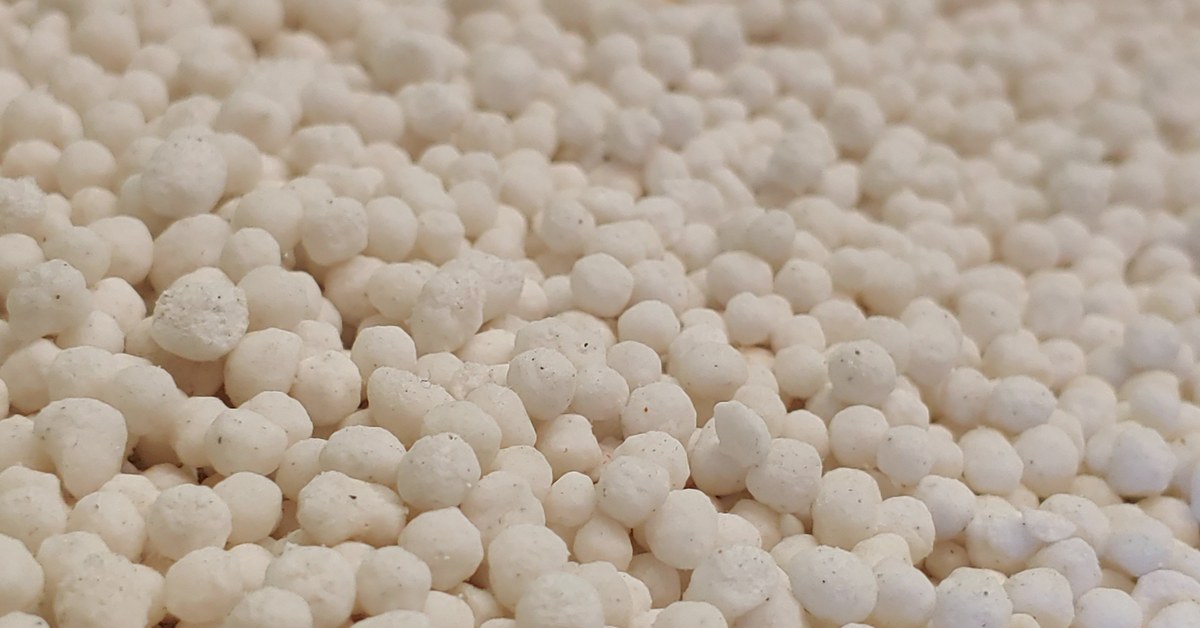
Tag: fertilizer myths

  • Does Phosphorus Make Plants Bloom? What Research Says

    Does Phosphorus Make Plants Bloom? What Research Says

    No. High-phosphorus “bloom booster” fertilizer is not supported by research as a way to produce more flowers. NDSU Extension states it directly: “High phosphorus rates do not increase the number of flowers.” The University of Massachusetts Amherst’s Center for Agriculture, Food and the Environment advises adding phosphorus only where a soil test shows it is needed, and independent horticulture writer Robert Pavlis reaches the same conclusion. Indoors, the factor that usually limits flowering is light, not feeding.

    What the research actually says

    Three named sources, in agreement, are the reason this page exists.

    NDSU Extension. In the Dakota Gardener column “The myth of high phosphorus fertilizers for more flowers” (2023), extension horticulturist Esther McGinnis writes that “high phosphorus rates do not increase the number of flowers,” and explains where the belief came from: “High phosphorus recommendations came out of older research to ensure productivity of high intensity farm crops rather than home landscapes.” She also notes that “the soil in most gardens contains sufficient levels of phosphorus,” so the extra usually has nothing to do.

    UMass Amherst CAFE. Its guidance on fertilizing flower gardens takes the same line from the soil-chemistry side: a soil test is the only reliable way to know whether phosphorus is needed at all, most non-agricultural soils already hold adequate amounts, and excess phosphorus carries real costs. UMass notes that surplus phosphorus moves in runoff water and threatens water quality, and that high phosphorus levels, whether from manufactured fertilizer or from natural sources such as bone meal or rock phosphate, can inhibit beneficial mycorrhizal fungi.

    Garden Myths. Robert Pavlis puts it bluntly: “Adding phosphorus to soil that already has enough phosphorus … will NOT make plants grow better,” and notes that “in North America, few garden soils have a deficiency of phosphorus.” On the indoor version of the question he is more direct still: “You might have heard that phosphorus, the middle number in NPK, is required for blooms, but that is a myth. Plants need all nutrients in order to bloom.”

    That last sentence is the accurate version of the science. Phosphorus is essential. A plant deprived of it will not perform. What the evidence does not support is the leap from “essential” to “extra produces more flowers.”
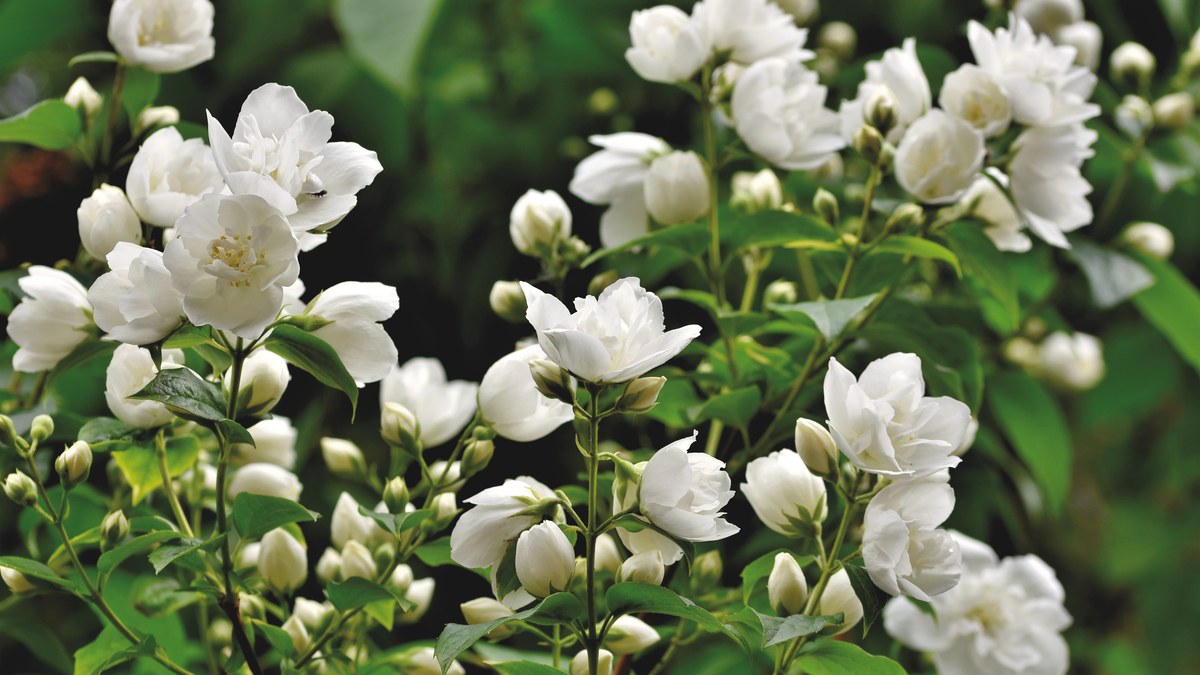
    Jasmine in full bloom, a fragrant plant whose flowering depends on light more than fertilizer
    What actually drives flowering indoors is light intensity, not a bigger middle number on the fertilizer bottle.

    Does that argument hold for a plant in a pot?

    This is the question none of those sources answers, and it deserves an honest treatment rather than a confident one.

    NDSU and UMass both reason from soil-test data for garden soils. A houseplant in a bag of commercial potting mix is not a garden soil. It is a small, engineered volume that is watered heavily, drains freely, and typically arrives with a starter charge of nutrients that is exhausted within months. The specific argument “your soil already has enough phosphorus” therefore does not transfer to a pot without qualification, and this article will not pretend it does.

    What does transfer is the underlying claim being tested. The bloom booster proposition is not “phosphorus is a nutrient.” It is “supplying phosphorus above the plant’s requirement causes more flowers.” No source located for this article supports that proposition in any growing context, indoor or outdoor. And a potted plant receiving any complete fertilizer is already receiving phosphorus, so the realistic choice on a shelf is not between phosphorus and none. It is between a complete feed and a complete feed with a larger middle number.

    To be explicit about the limit of this reasoning: it is an extension of soil-based extension guidance to the container case, not a container trial. No controlled study of high-phosphorus feeding in fragrant houseplants was verifiable at the time of writing. If one exists, this page should be updated to reflect it.

    Then why does it seem to work?

    Persistent beliefs usually have ordinary explanations, and this one has three.

    Timing. People reach for bloom booster in spring, when light is increasing and many plants are entering their natural flowering phase anyway. The product arrives just before the flowers do, and the sequence gets read as a cause.

    The plant was underfed. A houseplant that has had nothing for a year will respond to being fed. That response is real, and it would have happened with any complete fertilizer. Pavlis makes a related point about products that carry minor nutrients alongside phosphorus: the improvement traces to whatever was actually missing, not to the phosphorus.

    Nobody publishes the failures. The bottle that produced nothing does not get written up. Neither does the plant that flowered without help.

    The nutrient that genuinely does affect flowering, in the opposite direction

    The instinct that fertilizer is involved is not wrong. It is inverted. The nutrient with a well-documented effect on flowering is nitrogen, and the effect is suppressive when it is oversupplied.

    UMass Amherst’s guidance on soil fertility for cut flowers notes that too much nitrogen produces excessive vegetative growth, weak stems and delayed flowering. The University of Delaware’s crop update makes the same point for flowering and fruiting crops: too much nitrogen favors foliage over flowers and fruit. There is even experimental nuance worth knowing, from a 2021 paper in PNAS on nitrogen signaling in Arabidopsis, which reports that both a shortage and an excess of nitrogen delay flowering. The relationship is not a simple “less nitrogen, more flowers” dial either.

    For an indoor plant, the practical shape of this is familiar. A well-fed plant in a modest light position has everything it needs to build leaves and no surplus with which to build flowers, so it does exactly that, and it looks excellent while never flowering.

    What actually limits flowering indoors

    For most readers who arrive at this question, the honest answer is that feeding is not the constraint.

    Light. This is the usual limit, and the gap between the light a plant needs to survive and the light it needs to bloom is larger than most rooms suggest. See how much light do plants need to flower.

    A missing cool period. Some species will not initiate buds without one, and a year-round comfortable room removes the signal. See cold period for plants to bloom.

    Maturity. Many woody and climbing plants cannot flower until they leave their juvenile phase, and no fertilizer shortens that.

    If your plant did produce buds and then lost them, feeding is even less likely to be the answer, and flower buds falling off before opening covers that branch instead. For the full sort of causes, start at why a fragrant houseplant refuses to flower indoors.

    What this article does not tell you

    It gives no feeding schedule, no dilution, no dose and no recommended N-P-K ratio, and it names no product. That is deliberate on two counts. General houseplant feeding practice is a plant-care subject rather than a flowering subject, and product-specific instructions belong to the label on the product you own, which is written for that formulation and is the authority for it.

    If you want a feeding routine for houseplants, ask a university extension service. Most publish home horticulture guidance and answer questions directly, and none of them profits from the answer.

    Frequently asked questions

    Is a high middle number bad for my plant?
    It is mostly unnecessary rather than dangerous at label rates. The documented downsides of excess phosphorus are well established in soils: NDSU notes that surplus phosphorus binds micronutrients such as iron and zinc, and UMass notes suppression of beneficial mycorrhizal fungi plus water-quality harm from runoff. Those findings come from soils rather than containers, so the honest summary for a pot is that the product is unlikely to help and there is no good reason to seek it out.

    Does phosphorus do anything at all for flowers?
    Yes. Phosphorus is an essential nutrient involved in energy transfer throughout the plant, and a genuinely phosphorus-deficient plant will grow and flower poorly. The myth is not that phosphorus matters. The myth is that supplying more of it than the plant needs produces additional flowers, which is the claim the research does not support.

    I already bought bloom booster and used it. Did I hurt my plant?
    Almost certainly not, if you followed the label. The realistic outcome is that you spent money on a nutrient your plant was probably already receiving in sufficient quantity from a complete fertilizer. Nothing here suggests you need to repot, flush or otherwise intervene.

    Should I get my potting mix tested?
    Soil testing is designed for garden soil, and the interpretation guidance published by extension labs is written for that context. For a single houseplant it is rarely worth it. The more productive question is whether your plant receives any complete fertilizer at all during its growing period, and whether its light situation could ever support flowering.

    If not fertilizer, what should I change first?
    Light, in almost every case. Move the plant to the strongest position you can offer while it is not carrying buds, leave it there through a full annual cycle, and only then reconsider feeding. Changing the fertilizer is the easiest thing to do and the least likely thing to work.
  • Too Much Nitrogen No Flowers: What Actually Happens

    Too Much Nitrogen No Flowers: What Actually Happens

    Too much nitrogen no flowers is a real, documented trade-off, not folk wisdom. Nitrogen fuels leaf and stem growth, and a plant that is well supplied with it has every reason to keep making foliage and no signal telling it to stop and build a flower instead. The University of Delaware’s Weekly Crop Update, written by extension specialist Gordon Johnson, states the trade-off directly: “Too much nitrogen will favor the growth of foliage over flowering and fruiting.” A plant that has never looked better and never flowered is not a contradiction. It is the expected outcome of that trade-off.

    The plant is not being difficult. It is following its own logic.

    A plant has a limited pool of resources and a fixed set of things it can build with them: roots, leaves, stems, or flowers. Nitrogen is the nutrient most directly tied to leaf and stem construction, since it is a core building block of chlorophyll and of the proteins that drive growth. When nitrogen is abundant, growth is cheap in the currency the plant cares about, and the plant’s default response is to keep growing rather than to divert resources into a flower, which costs the plant a great deal and, indoors, delivers nothing back.

    The University of California’s Statewide IPM Program describes the same dynamic from the pest-management side: excess nitrogen produces “overly succulent leaves and shoots,” a growth pattern the plant favors precisely because nitrogen makes that growth easy to fund. Extension guidance across ornamental and vegetable crops agrees on the direction of the effect even when the exact numbers differ by crop, which is why this article does not give one.

    The old theory, and what is actually still true about it

    At the start of the twentieth century, the botanist Georg Klebs proposed that the ratio of carbohydrates to nitrogen inside a plant, not either nutrient alone, was what decided whether a plant grew vegetatively or flowered. A high ratio of carbohydrate to nitrogen favored reproduction, in his framing, and a low ratio favored more leaf and stem growth.

    That specific ratio theory has not held up as a complete explanation. Later research found it does not fully account for how flowering is actually triggered inside a plant, since flowering is now understood to be controlled by a network of hormonal and genetic signals, not by a single nutrient balance. But the underlying observation was not wrong, only incomplete: nitrogen supply still measurably shifts a plant toward leaf growth and away from flower initiation, and that shift shows up consistently across studied species even though the mechanism turned out to be more complicated than a simple ratio.

    More recent research on nitrogen signaling adds a detail worth knowing: nitrogen’s effect on flowering timing is not simply “more nitrogen, later flowers.” A 2021 study on Arabidopsis published in the Proceedings of the National Academy of Sciences reports that both a shortage and an excess of nitrogen can delay flowering, through different signaling pathways. The relationship is not a straight line you can dial in either direction. What is consistent is that a nitrogen-rich plant defaults to vegetative growth, which is the part of the picture that matters for a fragrant houseplant sitting in a pot indoors.

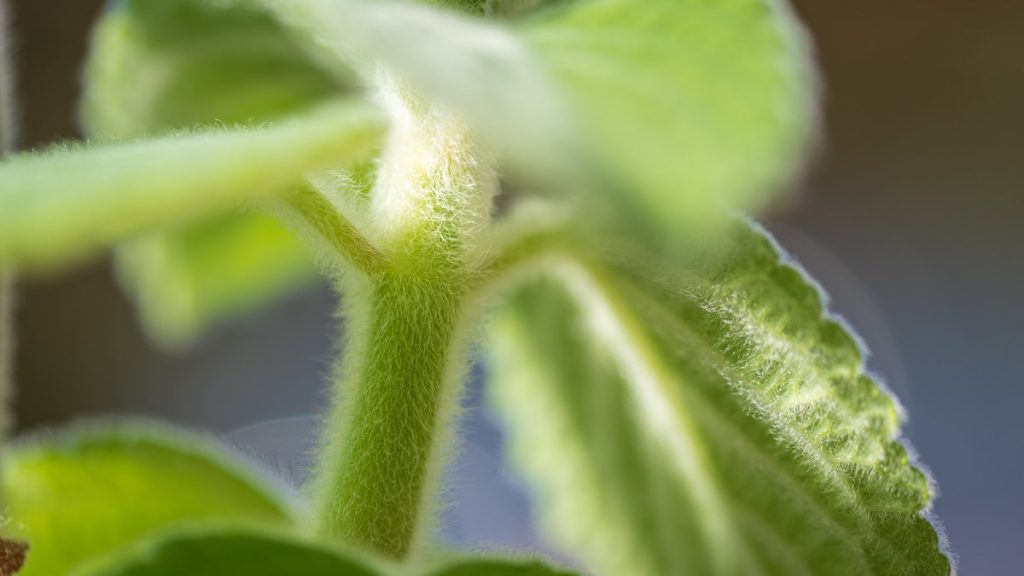
    New citrus leaf and stem growth, one of the four genera where excess nitrogen favors foliage over flowering
    Citrus is one of the plants on this site where a nitrogen-heavy feeding routine can mean lush leaves but no blooms.

    What this looks like on an actual plant

    Not every lush, green, flowerless plant is overfed on nitrogen. But a few signs make nitrogen a reasonable first suspect rather than a guess:

    • Vigorous, dense new leaf growth, month after month, with no slowdown.
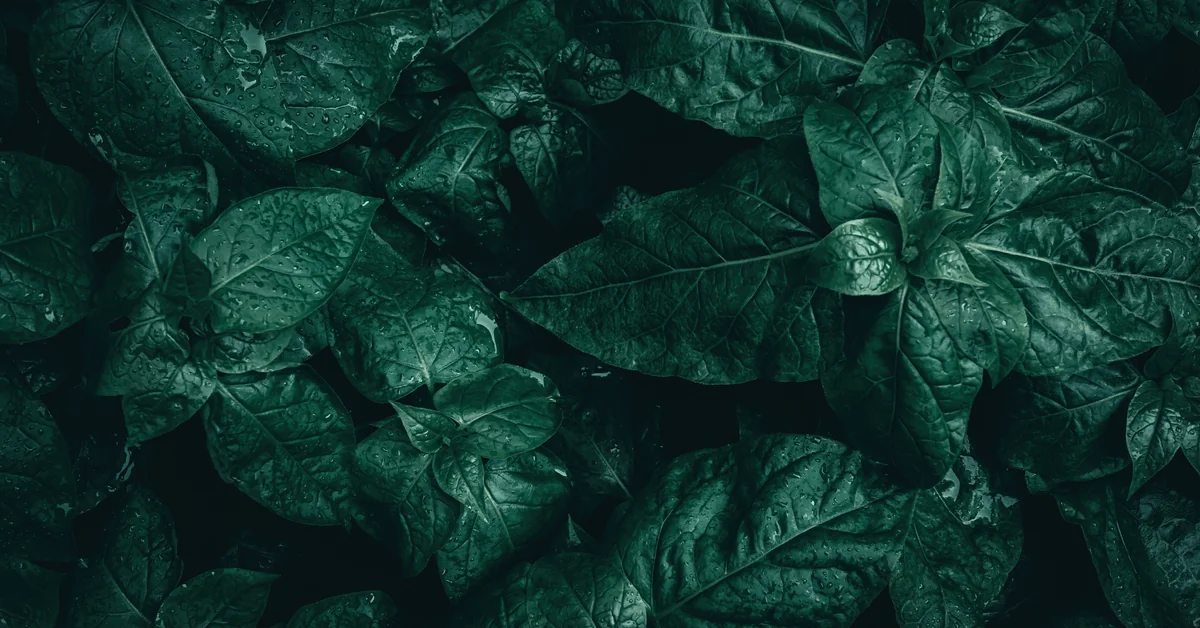
    • Deep, almost blue-green leaf color, noticeably darker than the plant’s usual shade.
    • Soft, lush stems and leaves rather than firm, compact growth.
    • A feeding routine that runs continuously, without a rest period, and without any reduction during the plant’s slower season.
    • No flower buds at any point, not even ones that formed and then dropped, which points at a plant that never started building one rather than a plant that lost one partway through.

    If your plant instead formed buds and then lost them, nitrogen is a much less likely explanation, and the mechanism belongs to a different article: see flower buds falling off before opening.

    What to actually change

    This article does not publish a feeding schedule, a dose, or a specific N-P-K ratio, because a responsible number depends on the product you are using and the plant you own, and a wrong number given in the abstract can do more harm than the problem it is meant to fix. What is safe to say in general terms:

    Feed less often, not necessarily less strong. A continuous supply of nitrogen is what drives the imbalance. Building in an actual rest period, particularly during the plant’s slower season, removes the constant vegetative signal rather than just diluting it.

    Stop feeding once buds appear. If a plant does set buds, continuing a heavy nitrogen feed through bud development competes with the resources the flower needs and can favor new leaf growth over finishing the bloom.

    Do not respond to “no flowers” by feeding more. This is the instinct that makes the problem worse. A plant that already has abundant nitrogen and still will not flower is not undernourished. It is imbalanced, and more of the same nutrient it already has plenty of will not correct that.

    Check whether light, not feeding, is the actual constraint. Nitrogen excess and light deficiency often travel together, because a plant kept in a dim spot cannot use surplus nitrogen for anything except leaf growth, since it has no light budget to spend on a flower either way. See how much light do plants need to flower.

    The myth this is often confused with, and why it is the mirror image

    A great deal of retail advice frames the fix for “no flowers” as adding a high-phosphorus “bloom booster” product. That advice gets the direction backward twice over: research does not support extra phosphorus increasing flower count in a plant that already has adequate phosphorus, and the nutrient genuinely implicated in suppressing flowers is the one already abundant in most feeding routines, nitrogen, not the one people rush to add more of. The full correction, with sources, is in does phosphorus make plants bloom.

    If nitrogen is not the explanation

    A lush, flowerless plant that is not being heavily or continuously fed likely has a different cause. Work through the full sort in why a fragrant houseplant refuses to flower indoors, and check whether your plant has simply not reached flowering maturity yet at how long before a plant flowers.

    Frequently asked questions

    Should I stop feeding my plant entirely to get it to flower? No. Cutting nitrogen to zero removes a nutrient the plant genuinely needs for healthy growth, including the growth that eventually supports a flower. The goal is a rest period and a reduced, less constant supply, not starvation.

    How do I know if my plant is nitrogen-rich rather than just healthy? Healthy growth that includes flower buds at some point in its cycle is a good sign. Continuous, vigorous leaf growth with no buds ever appearing, especially alongside frequent or year-round feeding, points more specifically at a nitrogen-driven vegetative pattern.

    Will switching to a “flowering” fertilizer fix this faster than just feeding less? Not reliably, since many flowering formulas still contain meaningful nitrogen, just at a different ratio to phosphorus and potassium. Reducing how often and how continuously you feed addresses the actual imbalance more directly than changing which bottle you use.

    Does this apply to all four genera this site covers the same way? The underlying trade-off between vegetative and reproductive growth is general across flowering plants, but how sensitive an individual species is, and how much nitrogen counts as too much, varies and is not well documented at the houseplant scale for gardenia, jasmine, hoya, and citrus individually. Treat the signs described above as more reliable than any single number.

    My plant gets no fertilizer at all and still will not flower. Could that be the problem instead? Unlikely in the same direction. An unfed plant is more likely to be limited by whatever nutrients its potting mix started with running out, which is a different problem than nitrogen excess. If light and maturity both check out and the plant has had no feeding in a long time, that is worth investigating separately rather than assuming the nitrogen explanation applies in reverse.