
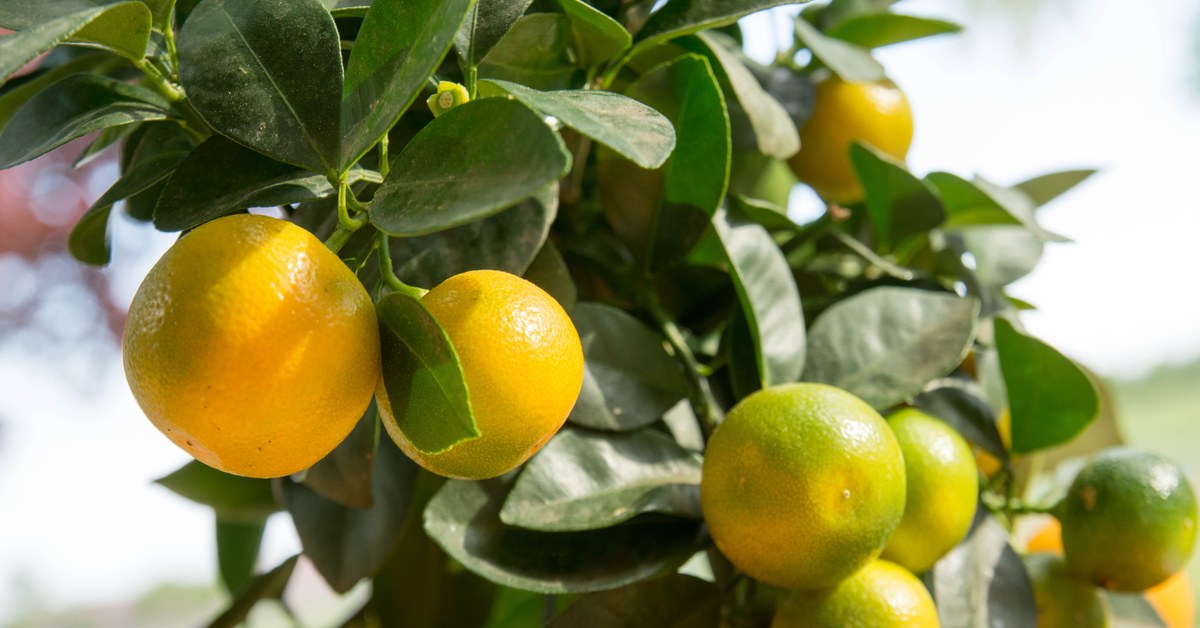
Citrus trees are grown indoors for glossy leaves, highly fragrant blossoms and, sometimes, fruit. Iowa State Extension recommends grafted dwarf types, such as dwarf lemons like Meyer or Ponderosa, Persian lime, kaffir lime, calamondin, kumquat and tangerine or Satsuma types. Seed-grown plants often have large thorns, may grow too big and usually bear inferior fruit.
Light
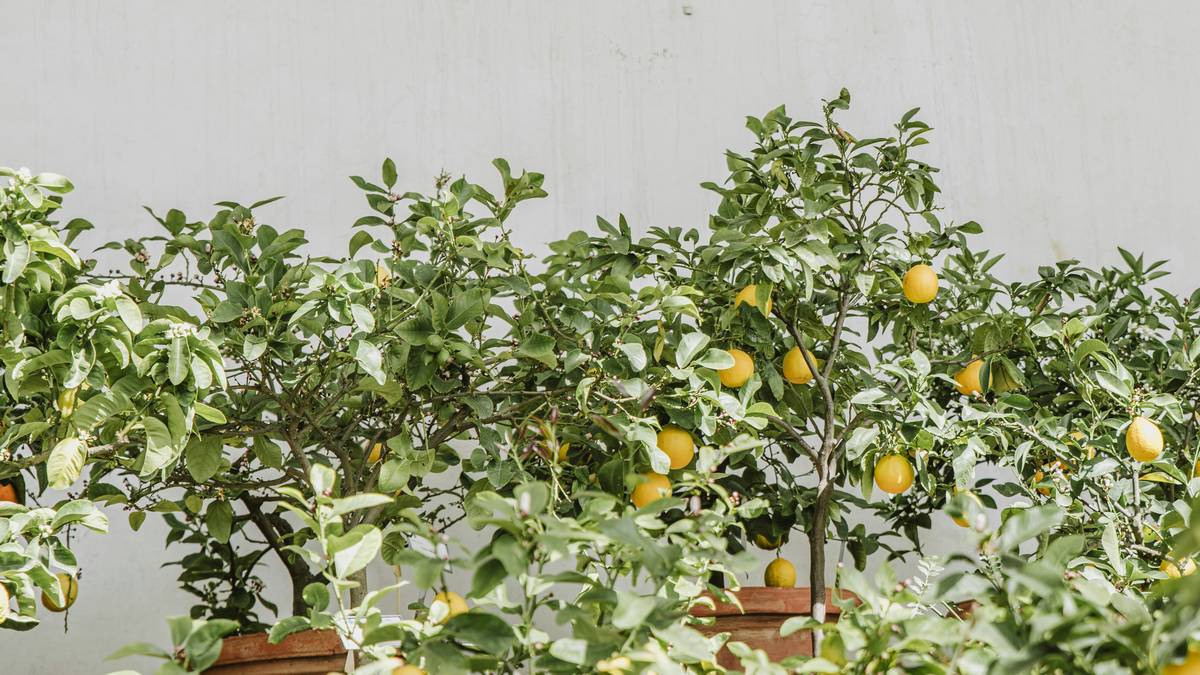
Citrus needs bright, direct light in fall and winter, often 6 to 8 hours of direct sun from a west- or south-facing window. Supplemental grow lights can fill the gap. Plants tolerate low light but will not flower or fruit.
Temperature
- Daytime 65 to 85°F and nighttime 55 to 65°F.
- Below 50°F can cause leaf drop, and freezing is lethal.
- A 5 to 10°F drop from day to night is needed to trigger flowering.
Water, humidity and feeding
Keep the soil moist but well drained and slightly acidic. Overwatering causes root rot, while underwatering causes leaf drop. Run a humidifier near the plants in winter. Slow-release fertilizer applied in April or May feeds through spring and summer, and regular feeding promotes blooming.
Flowers and fragrance
Blooms usually appear in late winter or early spring and are highly fragrant. Some types flower once a year, while lemons, limes and kumquats can flower and fruit year-round. Without enough light and nutrients, flowering may not happen.
Setting fruit
Many citrus will not set fruit without help indoors. If a plant blooms but does not fruit, move pollen by hand with a small brush or cotton swab, or flick the flowers or use a fan. Indoor fruit can take 6 to 9 months to mature.
Summering outdoors and pests
Move plants outside to partial shade once nights stay in the 50s°F, acclimate them gradually, and bring them in when nights fall below 50°F. Spider mites, whiteflies and scale are the main pests; use only products labeled for edible fruit.
For reasons any plant may stall before flowering, see Getting Blooms Indoors, including how light and day length affect flowering.
Source
Iowa State University Extension and Outreach, “Growing Citrus Indoors,” Yard and Garden. Read October 8, 2026. Based on one extension source written for Iowa; adjust temperatures to your own climate.
Quick answers from the guides
- Are Citrus Trees Self Pollinating? Do You Need Two?: Are citrus trees self pollinating? Most are self-fertile, so one tree can fruit. See which need a partner, and why indoor flowers still need your help.
- Indoor Citrus Light Requirements: What Full Sun Means: Indoor citrus light requirements explained: why sources say 6 to 8 hours, what a sunny window really delivers, and where in a home a citrus can bloom.
- Citrus Leaf Drop Indoors in Winter: Why It Happens: Citrus leaf drop indoors in winter is usually a reaction to the move. Learn why it happens, when it is normal, and what it can cost next season’s blossoms.
- Most Fragrant Citrus Blossom: What the Evidence Shows: Which citrus blossom smells the strongest? No study ranks them. See what extension and lab sources say about orange, lemon, lime and more.
- Meyer Lemon Tree Indoor Care: What It Needs to Bloom: Meyer lemon tree indoor care explained through the flowers: the light, night cooling and steady handling that keep a potted Meyer blooming and fragrant.
- When Do Indoor Citrus Trees Bloom? Why Timing Varies: When do indoor citrus trees bloom? Learn what actually triggers citrus flowers, why a lemon can bloom in November, and how to read your tree’s timing.
- Citrus Flower Drop: Normal Thinning or a Real Problem?: Citrus flower drop is usually normal thinning, not a dying tree. Learn to read what falls and when, so you can tell natural shedding from a stress signal.
- How to Hand Pollinate Citrus Indoors, Step by Step: How to hand pollinate citrus indoors with a brush or swab, why the pollen will not move on its own, and how to tell within days whether it worked.
- Citrus Flowers but No Fruit Indoors: The Real Reasons: Citrus flowers but no fruit indoors? Learn why most blossoms never set, what missing bees change, and which cause to check first so the next bloom counts.
Leave a Reply