Many fragrant houseplants flower on a seasonal schedule, and the cues are often light and temperature rather than the calendar. Knowing the cue for your plant explains why it flowers in one season and sulks in another.
What the extension guidance says
Hoya flowers usually in summer, and a slightly cooler night can support flowering (Iowa State Extension). See Hoya Indoors.
Citrus typically blooms in late winter or early spring, and a 5 to 10°F drop from day to night is needed to trigger flowering (Iowa State Extension). See Citrus Indoors.
Work out which cue your plant responds to (light, day length, cooler nights), then check whether your room supplies it. The guides above cover each cue; the plant hubs cover each species.
Keep a simple bloom log
Note the date buds first appear and what changed in the weeks before: the pot moved, nights got cooler, heating switched on. After a season or two the timing becomes easier to predict.
There is no treatment that restores an aged flower. Each flower follows its own life cycle, and the studies on scent show the flower itself winding down its production as it ages. What you can influence is the plant’s display as a whole, and whether buds make it to open flowers at all.
Keep the display going
A plant that opens its flowers a few at a time keeps some at their best for longer than one that opens everything at once, even though no single flower lasts longer. See Do Flowers Lose Their Scent as They Age?.
Do not cut spent flowers off a hoya: the flowers form on persistent spurs, and removing them can remove future flower sites (Iowa State Extension). See Hoya Indoors.
No source checked for this site gives a reliable number of days a flower will last indoors across species, and products sold to extend bloom life are not supported by anything found here.
Moving Plant Causes Bud Drop: Here Is the Mechanism: Moving plant causes bud drop more often than almost any other trigger. Here is the mechanism, and how to relocate a flowering plant without losing buds.
Flower scent is not constant. It rises and falls over a flower’s life, follows a daily rhythm in many species, and is dimmed by your own nose when you live with it. This page sorts the Bloom & Fragrance guides by what you are noticing.
When a houseplant will not flower, the cause is usually one of a small number of things, and some popular fixes do not hold up. This page sorts the Getting Blooms Indoors guides by the question you are asking.
Plant Bloomed Once, Never Again: What Growers Do: Your plant bloomed in the shop because a grower scheduled it to. What commercial production controls, what you can copy at home, and what you cannot.
Should I Rotate My Flowering Houseplant? Not Always: Should I rotate my flowering houseplant? Yes, until buds appear. Learn why turning a plant toward the light can cost you the flowers, and when it is safe.
How Much Light Do Plants Need to Flower Indoors?: A plant survives on far less light than it needs to bloom. Here is why a healthy plant can still be light-starved, and how to judge a window for free.
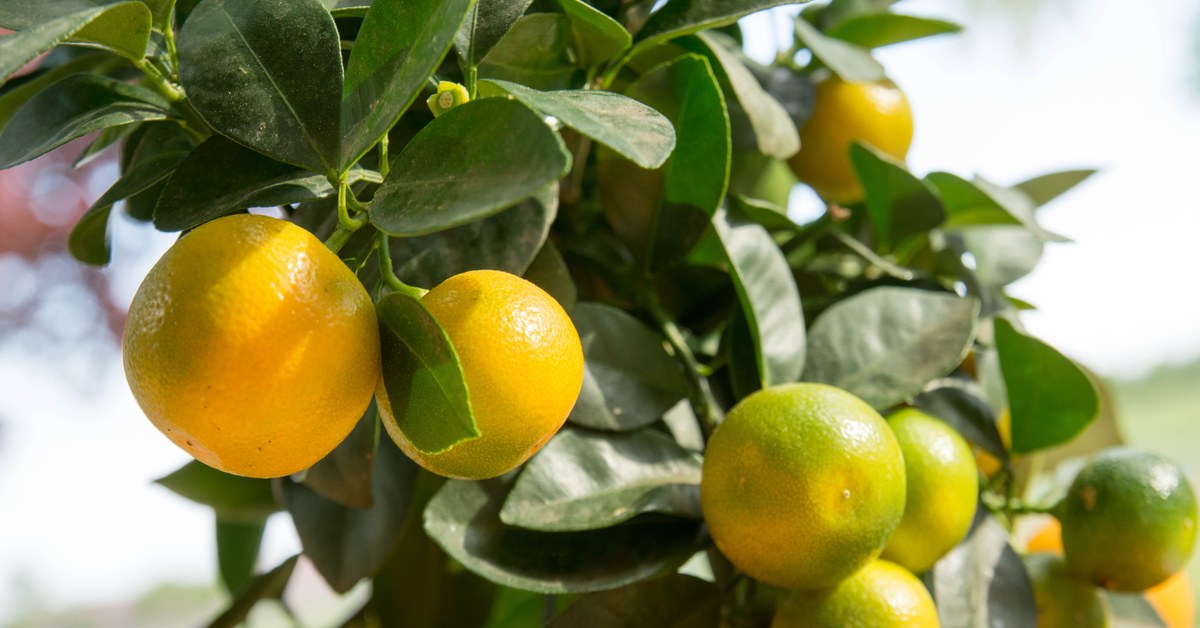
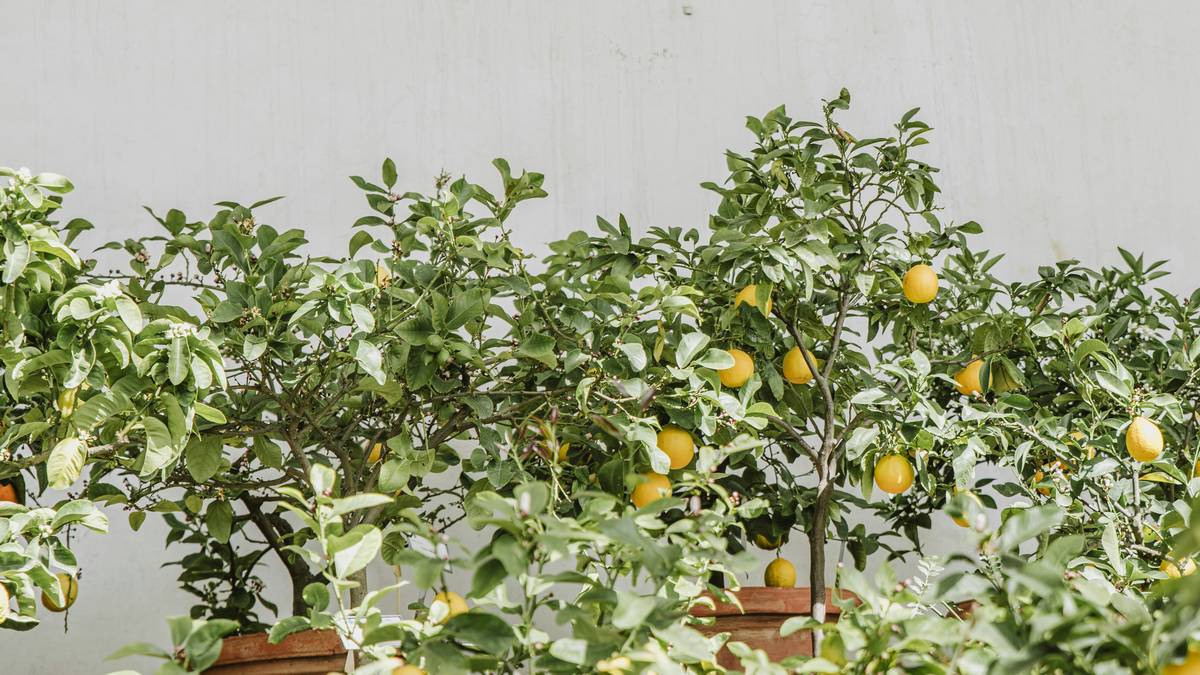
Citrus trees are grown indoors for glossy leaves, highly fragrant blossoms and, sometimes, fruit. Iowa State Extension recommends grafted dwarf types, such as dwarf lemons like Meyer or Ponderosa, Persian lime, kaffir lime, calamondin, kumquat and tangerine or Satsuma types. Seed-grown plants often have large thorns, may grow too big and usually bear inferior fruit.
Light
Citrus needs bright, direct light in fall and winter, often 6 to 8 hours of direct sun from a west- or south-facing window. Supplemental grow lights can fill the gap. Plants tolerate low light but will not flower or fruit.
Temperature
Daytime 65 to 85°F and nighttime 55 to 65°F.
Below 50°F can cause leaf drop, and freezing is lethal.
A 5 to 10°F drop from day to night is needed to trigger flowering.
Water, humidity and feeding
Keep the soil moist but well drained and slightly acidic. Overwatering causes root rot, while underwatering causes leaf drop. Run a humidifier near the plants in winter. Slow-release fertilizer applied in April or May feeds through spring and summer, and regular feeding promotes blooming.
Flowers and fragrance
Blooms usually appear in late winter or early spring and are highly fragrant. Some types flower once a year, while lemons, limes and kumquats can flower and fruit year-round. Without enough light and nutrients, flowering may not happen.
Setting fruit
Many citrus will not set fruit without help indoors. If a plant blooms but does not fruit, move pollen by hand with a small brush or cotton swab, or flick the flowers or use a fan. Indoor fruit can take 6 to 9 months to mature.
Summering outdoors and pests
Move plants outside to partial shade once nights stay in the 50s°F, acclimate them gradually, and bring them in when nights fall below 50°F. Spider mites, whiteflies and scale are the main pests; use only products labeled for edible fruit.
Iowa State University Extension and Outreach, “Growing Citrus Indoors,” Yard and Garden. Read October 8, 2026. Based on one extension source written for Iowa; adjust temperatures to your own climate.
Quick answers from the guides
Are Citrus Trees Self Pollinating? Do You Need Two?: Are citrus trees self pollinating? Most are self-fertile, so one tree can fruit. See which need a partner, and why indoor flowers still need your help.
Citrus Leaf Drop Indoors in Winter: Why It Happens: Citrus leaf drop indoors in winter is usually a reaction to the move. Learn why it happens, when it is normal, and what it can cost next season’s blossoms.
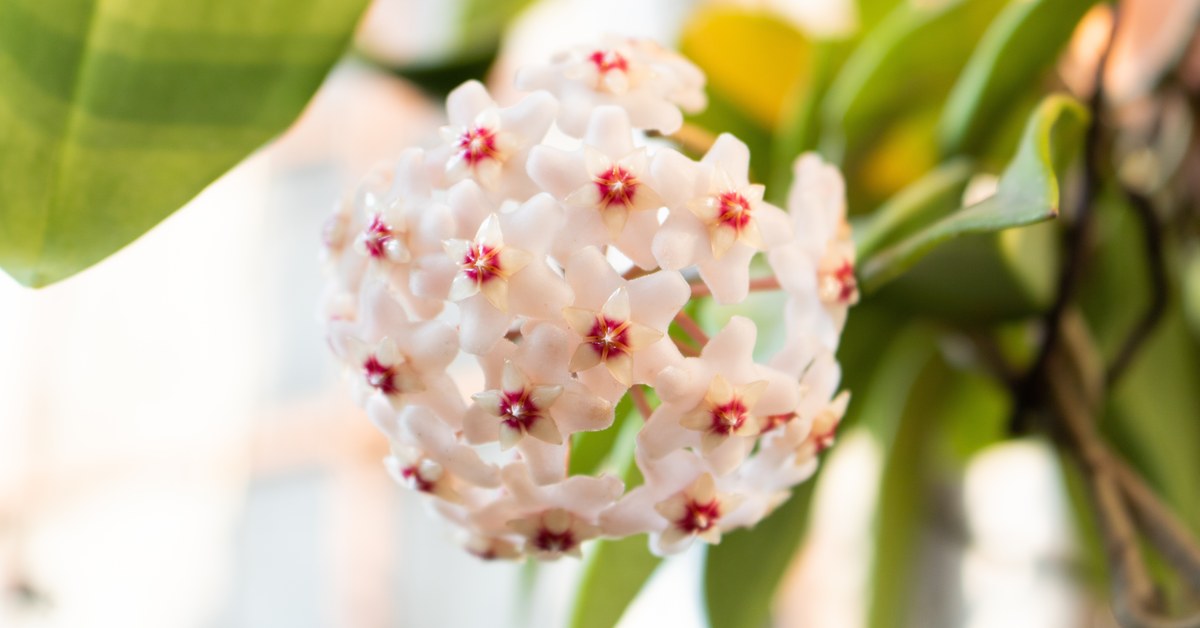
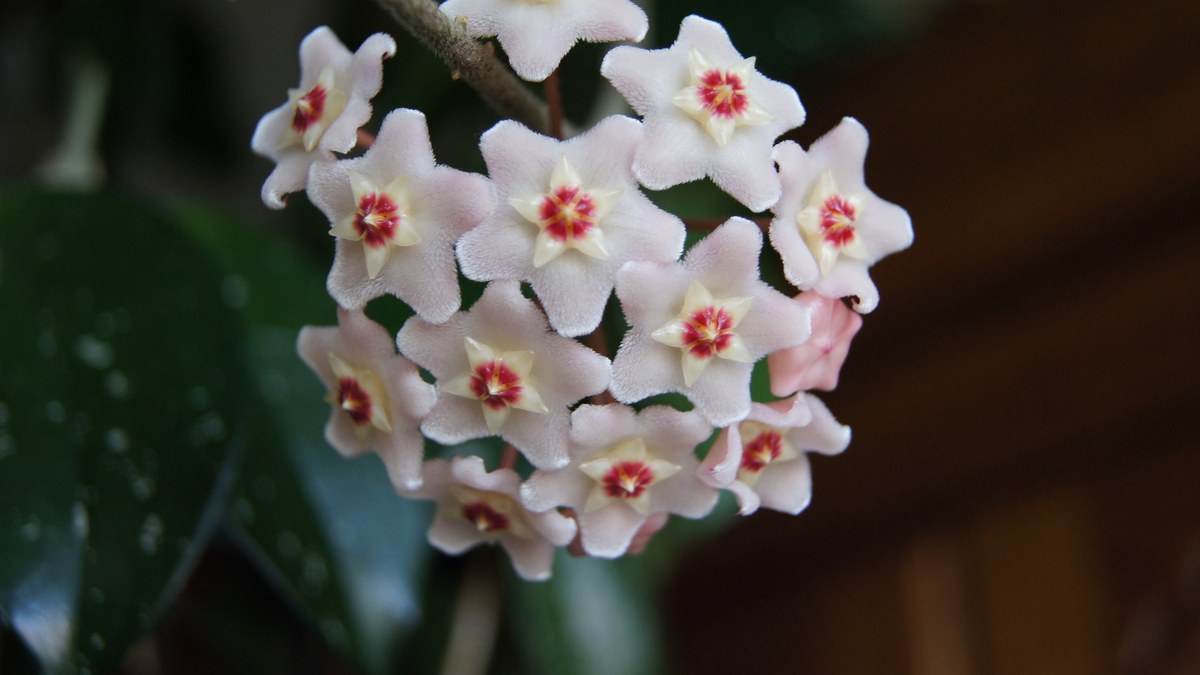
Hoyas, often called wax plants, carry waxy, star-shaped flowers in clusters, usually in summer. Iowa State Extension notes that fragrance varies by species: the wax plant (Hoya carnosa) is fragrant, especially in the evening, while the sweetheart hoya (H. kerrii) makes plenty of nectar and is not very fragrant.
Light
Hoyas want bright, indirect light, and one of the brightest windows in the home is often best, especially for flowering. Too little light gives thin, stretched growth and little or no bloom. Too much can scorch leaves or turn them red.
Watering
Water thoroughly, then let the mix dry almost completely before watering again. Water less in winter or in low light. Overwatering in a poorly draining mix is the fastest route to root decline.
Temperature and humidity
The ideal indoor range is 65 to 80°F, and hoyas do not tolerate temperatures below 55°F.
A slightly cooler night can support flowering.
Average indoor humidity is tolerated; 40 to 60 percent is given as ideal.
Pot and feeding
Use a chunky, fast-draining mix, for example potting soil with orchid bark and perlite or pumice. Hoyas often flower better when slightly potbound, so avoid oversized pots. Feed lightly in spring and summer at half or quarter strength, and do not fertilize in winter.
Flowering
Flowers form on persistent spurs (peduncles), and many species rebloom from the same spur. Do not cut spent flowers off, because that can remove future flower sites.
Young plants can take several years to mature and flower.
Bud blast can happen if watering, temperature or light changes suddenly after buds form.
Common problems
Mealybugs, scale and spider mites are the usual pests, and spider mites are likelier in very dry air. Yellow leaves with constantly wet soil point to overwatering. Poor flowering usually means more light, patience and steady care are needed.
Iowa State University Extension and Outreach, “All About Hoyas,” Yard and Garden. Read October 8, 2026. This page rests on that one extension source, so treat species-specific details as a starting point.
Hoya Bud Drop: Why Buds Form, Then Shrivel and Fall: Hoya bud drop is usually a reaction to a recent change, not a dying plant. Learn the causes, what to check first, and why the spur can still flower again.
How to Get a Hoya to Bloom: What Actually Matters: How to get a hoya to bloom, ranked by evidence: light first, then age and the flower spurs you must not cut. Skip the myths and fix what matters.
Gardenias are grown indoors for their white flowers and strong fragrance, and they have a reputation for being demanding. Most problems show up in the same few ways: buds that drop or brown before they open, yellow leaves, or flowers that fade within days. This page puts the Gardenia guides in the order most growers need them.
Gardenia Humidity Indoors: Why Buds Suffer First: Gardenia humidity indoors matters most for the buds. Learn why flowers lose water faster than leaves, what the sources say, and how to check your room.
Gardenia Indoors for Winter: How to Keep the Buds: Bringing a gardenia indoors for winter often costs its buds. Here is why light, humidity and night cooling all drop at once, and how to soften the move.
Gardenia Temperature Requirements for Bud Set: Gardenia temperature requirements for bud set: two named sources, two different ranges, and the night-day gap that actually triggers blooms.
Gardenia Buds Turning Brown: Causes & Fixes: Gardenia buds turning brown before opening? See the humidity, temperature, and pest causes extension experts document, plus fixes that actually work.
Gardenia Indoor Care: What It Actually Needs: Gardenia indoor care explained with sourced numbers for light, humidity, temperature and feeding, so buds set and open instead of dropping.
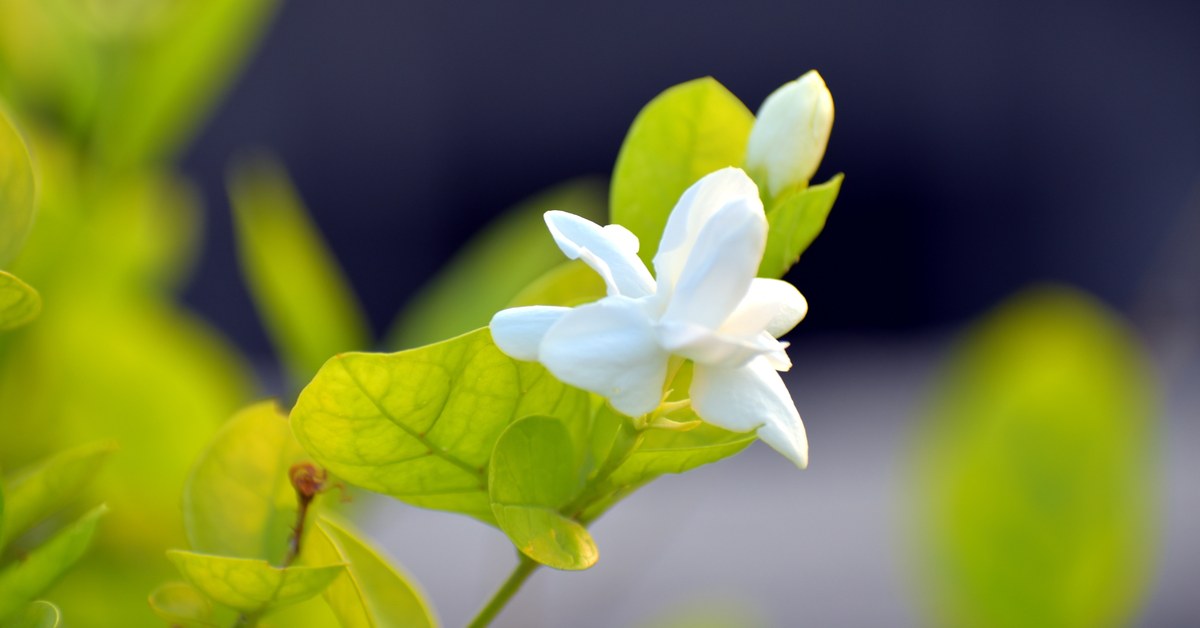
Several very different plants are sold as indoor jasmine, and they do not share the same care or the same flowering habits. Start by knowing which one you have, then use the guide for that plant.
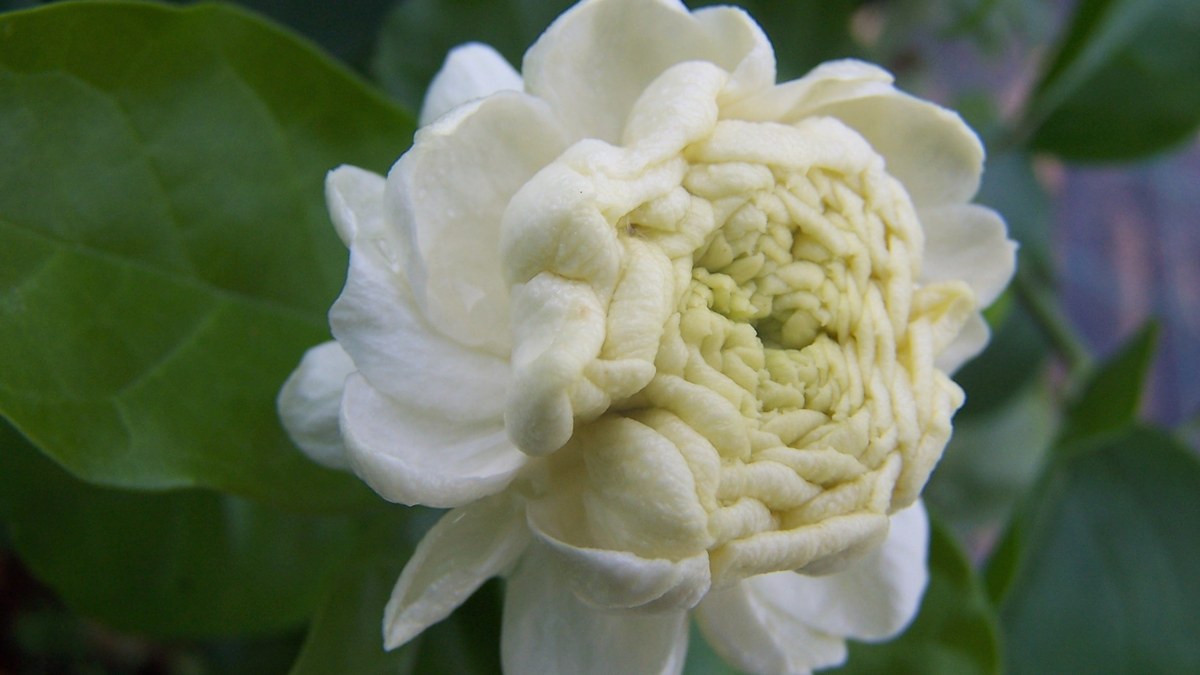
The double Grand Duke of Tuscany form of Jasminum sambac.
Why jasmine advice is confusing
“Jasmine” is used for several different plants. Common names such as star jasmine and night-blooming jasmine do not refer to true jasmines, so care advice for one can mislead for another. Identify your plant before following any care guide.
Jasminum Sambac Indoor Care: The Complete Guide: Jasminum sambac indoor care explained with sourced figures for light, watering, temperature and feeding, so Arabian jasmine sets fragrant flowers.
This site shows advertising from a third-party network (Adsterra), which may use cookies. Choose Reject to turn advertising off, or Accept All to keep it. You can change your choice at any time. See our Privacy Policy.