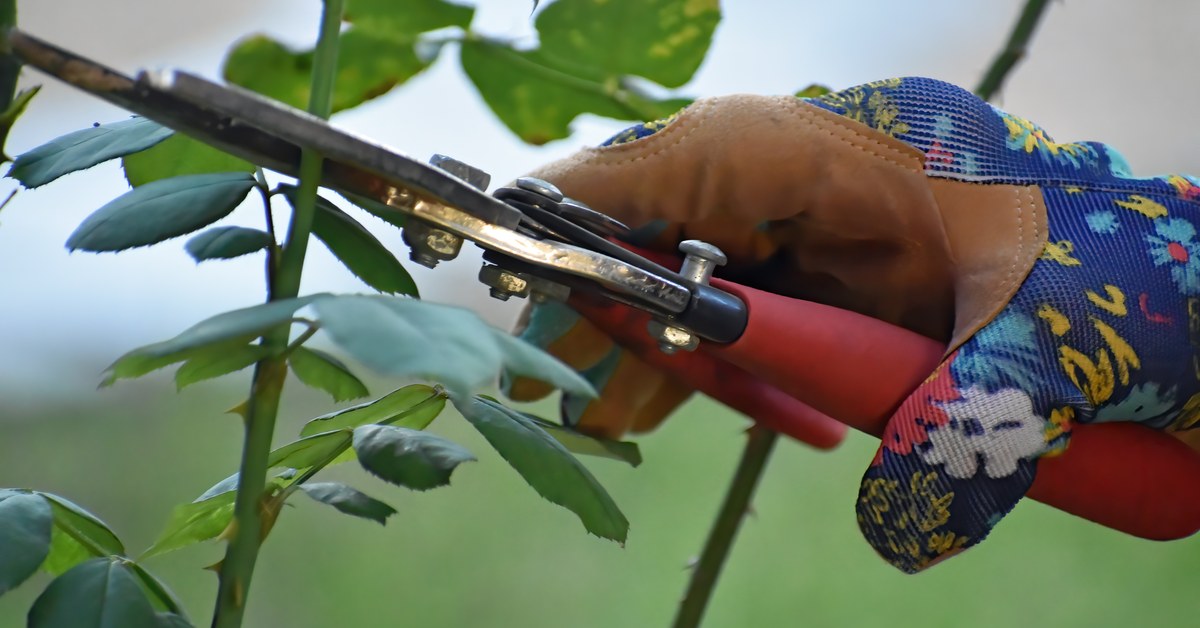
There is no single correct month to prune a flowering houseplant. The right time depends entirely on where the plant is already carrying next year’s flowers: on growth it made last season, or on growth it has not made yet. Prune an old-wood bloomer at the wrong point in its cycle and you cut off buds that are already there, invisible, waiting to open. Gardenia and most jasmine set buds on the current season’s growth for the following year, so the safe window is right after flowering ends. Citrus flowers on new growth, so pruning right before the flowering flush costs you that flush. Hoya breaks the pattern entirely: it reuses the same flowering stalk for years, and cutting it is the costliest single mistake an owner can make.
The one question that decides when to prune
Before touching anything, ask where next year’s flowers are sitting right now, not what the calendar says. Piedmont Master Gardeners, a Virginia Cooperative Extension-affiliated program, frames it plainly: plants that flower on new wood “do NOT develop flower buds until AFTER growth begins in the spring,” so they can be cut back hard in late winter with nothing lost. Plants that flower on old wood “form the flower buds for next year’s blooms during the current growing season,” which means those buds already exist, physically, inside the plant, long before you can see them. Cut into that wood at the wrong time and you remove flowers that were already decided.
This single distinction explains why pruning advice for flowering plants looks so contradictory across sources. It is not that the advice disagrees. It is that different species are being described, and the writer assumed you would know which kind of bloomer you own.
Gardenia and most jasmine: prune right after flowering, not before
Gardenia sets its buds for the following year on the growth that follows this year’s bloom. Clemson Cooperative Extension’s Home and Garden Information Center is direct about the window: prune gardenia shrubs “after they have finished flowering,” and light pruning at that point stimulates additional flowering rather than removing it. Wait too long into the season and the plant has already set the following year’s buds on the wood you are about to cut.
Most jasmine species follow the same logic, though the details vary by which plant is actually growing in the pot. Clemson’s jasmine factsheet is useful here for a different reason: it clarifies that the fragrant vine sold as “Confederate” or “star” jasmine “is not a true jasmine (Jasminum) at all, but a member of the genus Trachelospermum,” and recommends pruning it after flowering to restrain growth. Winter-flowering jasmine species are handled the same way, cut back once the bloom is over. The practical rule holds across the group even where the botany does not: prune immediately after the flowers finish, not before.
There is one honest exception inside this group. Arabian jasmine, Jasminum sambac, the species most commonly sold as an indoor fragrant plant, tends to produce flowers on new growth through much of the warm season rather than holding a single old-wood flush. A plant behaving this way can tolerate light shaping at more points in the year than a strict old-wood bloomer can. If you are not certain which jasmine you own, treat it as an old-wood bloomer and prune after a bloom cycle ends. That assumption costs you little if wrong and protects you if right.
Citrus is the opposite case: it blooms on new growth
Citrus flowers and fruits primarily on new growth, which flips the timing logic from gardenia and jasmine. UF/IFAS Extension in Washington County advises waiting “until after fruit has matured and been harvested” but pruning “before the tree flowers for next year’s crop,” which for most home citrus means late winter into early spring, before the new flush of growth that will carry the flowers. Prune later, once that new growth is underway, and you risk removing the shoots that were about to flower.
The other honest caveat for citrus: mature, healthy citrus generally needs very little canopy pruning at all. Removing wood it did not need to lose is a more common mistake than mistiming a necessary cut.
Hoya breaks the whole rule, and it is the mistake that costs the most
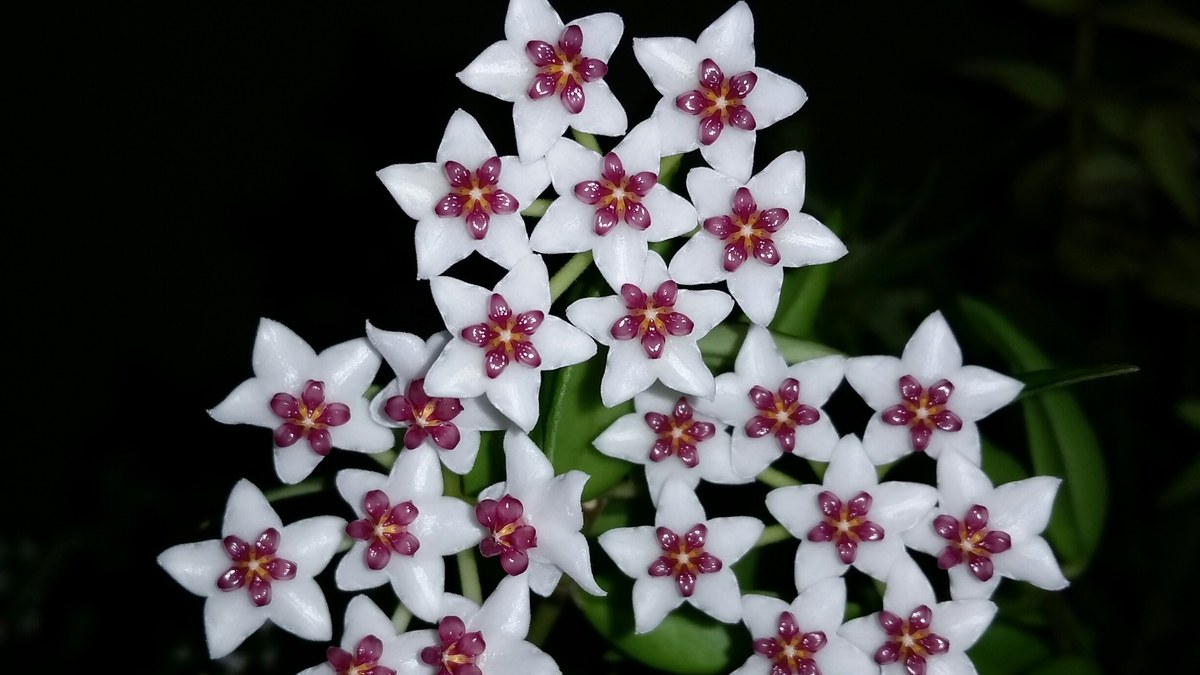
Everything above assumes the flowering wood is temporary, used once and then available to prune. Hoya does not work that way. Its flowers form in a cluster called an umbel, on a short woody stalk called a peduncle, informally known as a spur. That same spur can flower again in a later season, sometimes more than once, without the plant having to build a new one from scratch.
NC State Extension’s Gardener Plant Toolbox states this as a direct instruction for Hoya carnosa: “Resist pruning the peduncle (‘spur’) where flowers have been produced, as this will repeatedly produce flowers over several years.” Once a spent flower cluster drops off on its own, the bare-looking stub left behind is not dead wood. It is a structure the plant will use again. Cutting it off because it looks tidy or finished removes a flowering site the plant built with real cost, and the replacement is not immediate. This is the single most avoidable loss in this cluster’s whole topic list, because nothing about a spent hoya peduncle signals “cut me” the way a faded gardenia flower does.
The practical instruction is simple even though it runs against instinct: let spent hoya flowers drop on their own, leave every spur in place indefinitely, and confine any pruning to vegetative stems that are not carrying, and have not carried, a flower cluster.
Telling a bud site from ordinary growth before you cut
None of this works without being able to look at a stem and recognize whether it is carrying next year’s flowers. A gardenia or jasmine stem that flowered this season and has since put on new growth beyond the old flower point is the wood most likely to be holding next year’s buds; cutting distal to that point, close to where this year’s bloom occurred, is safer than cutting further back into older wood. On hoya, any stub with a slightly thickened, woody, knuckle-like base where a flower cluster has previously opened is a spur and should be left completely alone, whether or not it currently shows a bud.
When genuinely unsure, the lower-risk choice is to prune less and later relative to the flowering event, not more and earlier. A missed pruning opportunity costs shape. A mistimed one costs an entire season’s flowers.
Where to go next
If pruning was not the issue and buds still failed to form or fell before opening, the broader diagnostic starts at why a fragrant houseplant refuses to flower indoors, which sorts every cause into the two branches: buds that never appeared, and buds that appeared and were then lost. The second branch is covered fully at flower buds falling off before opening.
For the plant-specific version of this timing question: gardenia, jasmine, hoya, and citrus.
Anything about pruning tools, cutting technique or general shaping for appearance is outside what this site covers. A university extension service such as the Clemson Home and Garden Information Center is a reliable place to ask.
Frequently asked questions
How do I know if my plant blooms on old wood or new wood?
Watch one full cycle. If flowers appear on stems that grew earlier in the same season, it is a new-wood bloomer and can be pruned hard in late winter. If flowers appear on wood that grew the previous year, before any new growth resumes, it is an old-wood bloomer, and the safe window is right after that year’s flowers finish.
I already pruned my gardenia in early spring and got no flowers this year. What happened?
The buds for that year’s flowers were most likely already set on the previous season’s growth, and the spring cut removed them before you could see them. Prune next time immediately after the plant finishes flowering rather than before a new season begins.
Can I prune a hoya at all, or is every stem off limits?
Vegetative growth that has never flowered can be pruned for shape without cost. The rule applies specifically to any stem or stub that has produced a flower cluster; that structure, the peduncle, is reused and should never be removed.
Does light pruning versus hard pruning change the timing rule?
No. The rule is about which wood the cut removes, not how much of the plant is removed. A single hard cut into unset new growth on a new-wood bloomer is safe. A single light snip into already-budded old wood on an old-wood bloomer still removes those flowers.
Is it better to under-prune than risk cutting off flowers?
For old-wood bloomers and for hoya, yes. Excess growth costs appearance, not flowers. A mistimed cut on wood that was already carrying next year’s buds costs an entire flowering cycle, which is the more expensive mistake in almost every case.
Leave a Reply