Jasmine leaves turning yellow can be normal or a warning, and which one it is depends first on which jasmine you have. The genus Jasminum includes both evergreen and deciduous species, so a plant that sheds some leaves may simply be following its species habit. Widespread yellowing on a plant that should hold its leaves points instead to its conditions: roots that stay wet, a cold spot, weak light or sap-feeding pests. Check the botanical name on the tag, then look at the pattern of loss before changing anything.
Jasmine leaves turning yellow: start with the species
North Carolina State Extension's Jasminum entry describes the genus as "evergreen or deciduous shrubs or vines" and notes that leaves "vary between species." That single line is the reason one rule for "jasmine leaf drop" cannot be right.
NC State's page for common jasmine, Jasminum officinale, lists the plant as both deciduous and semi-evergreen. A common jasmine that loses a share of its leaves in autumn is behaving as its species is described, not failing. The same behavior in a plant sold as an evergreen houseplant would be a reason to look harder.
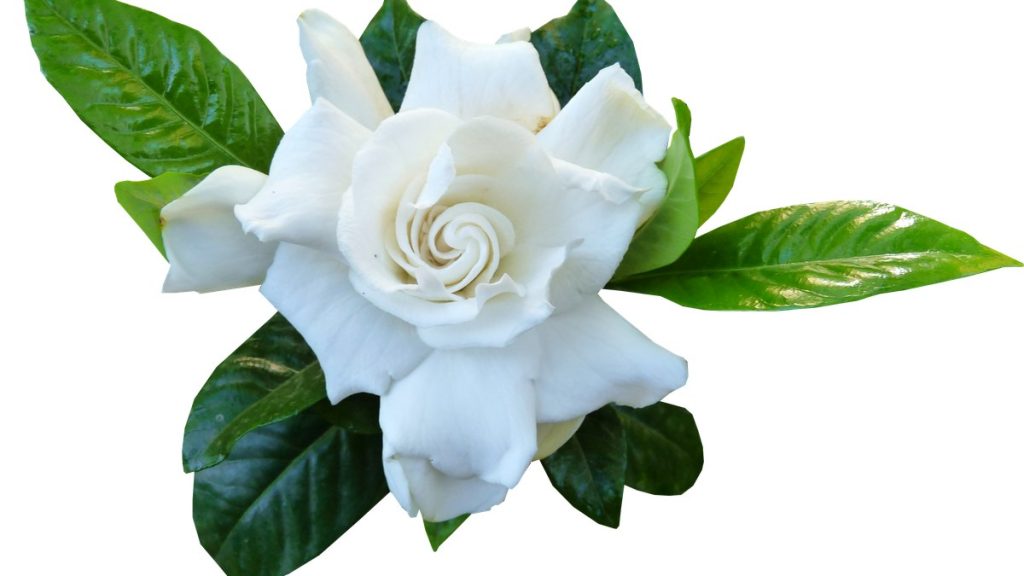
If the tag is missing, assume nothing. A plant sold as "jasmine" may not be a Jasminum at all. Star jasmine, Madagascar jasmine and Cape jasmine are all different plants that share the name, and their leaves follow different rules. A Cape jasmine is a gardenia, and its yellow-leaf pattern has its own explanation, covered in our article on gardenia yellow leaves and the iron question. For help telling which plant you own, our jasmine identification overview sorts the common names.
What the sources say, and where they stop
The honest summary is that jasmine-specific evidence on indoor leaf yellowing is thin. We did not find a university or botanic garden source that gives a leaf-drop temperature, a light level or a watering interval for yellowing in an indoor jasmine. What exists is general guidance for jasmine plus lists of problems that can occur. Here is what can be said with a named source behind it.
| What you see | What the sources support | What they do not say |
|---|---|---|
| Some leaves yellow and fall on a deciduous or semi-evergreen species | NC State records common jasmine as deciduous and semi-evergreen | How many leaves count as normal |
| Yellowing with stippling, stickiness or cottony masses | RHS notes that indoor jasmine may attract sap-feeding pests including mealybugs and red spider mites | How to treat them for a specific plant |
| Yellowing in a pot that stays wet | NC State lists root rot among problems that can occur in jasmine, and RHS advises only very light watering in winter | Which interval suits your pot and room |
| Leaves lost after a cold night | RHS says Jasminum polyanthum needs consistent warmth, above 13°C (55°F), and to avoid a cold spot at night | What damage appears at which temperature |
| Yellowing across the whole plant at once | Nothing jasmine-specific found | The cause |
The table is deliberately short on certainty. A guide that names one cause with confidence for every yellow jasmine is reading more into the evidence than the evidence holds.
The cold and warmth problem, and why the sources do not settle it
Temperature is where the available advice clashes. RHS's jasmine growing guide says tender jasmines such as J. polyanthum "need to be kept consistently warm, above 13˚C (55˚F)," and warns against "a cold spot at night." The Chicago Botanic Garden's jasmine profile says jasmine "can actually tolerate temperatures between 40 and 50 degrees from September until the plant sets its buds."
Those cannot both be general rules for every indoor jasmine, and neither source links its figure to leaf loss. The Chicago profile gives no author or date and does not say whether its figures are for a particular species. The practical reading is that a plant yellowing in a cold spot is a reasonable suspect, but we found no published temperature at which a given jasmine starts to drop leaves. Treat any single number you see in a care article, including the two quoted here, as unsettled. Our guide to which plants need a cold period to bloom covers how the cool-rest question differs from plant to plant.
Why a yellowing jasmine is a flower question too
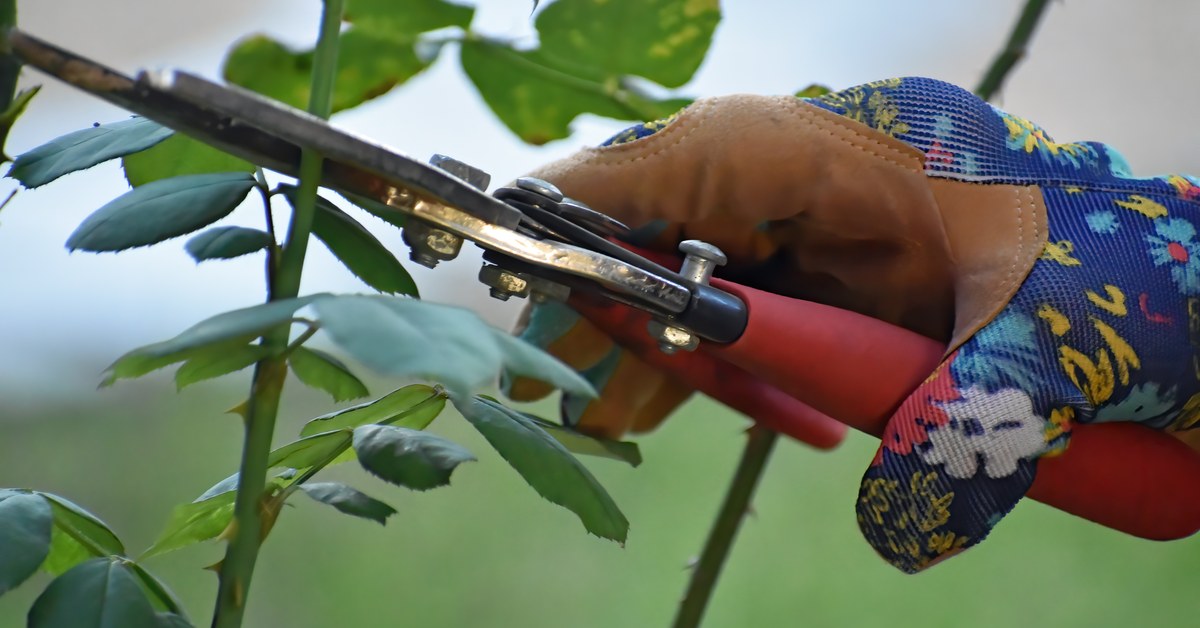
A jasmine's flowers and leaves are tied together by the plant's wood. NC State advises pruning jasmine after flowering because "flowers are borne on old growth." That matters here because yellow leaves tempt an owner to cut back hard and tidy the plant. If the plant is deciduous and about to shed on schedule, or the cause is a pest, a heavy cut can remove the stems that would have carried the next flowers.
Moves matter as well. A jasmine carried from a bright outdoor spot into a dimmer room is a plant whose conditions changed all at once, and plants can respond to a sudden change by shedding. We did not find a jasmine-specific source for how much shedding to expect, but the general mechanism for flowering plants is covered in our piece on why moving a plant causes bud drop. The same logic applies to temperature swings, which our guide to temperature bud drop in houseplants explains.
If a jasmine is dropping buds and leaves together after a change of position or temperature, that combination is worth noting. It suggests the plant is reacting to the change itself rather than to a disease, though no source we found tests that for jasmine.
What to check, in order
These steps use only what the sources support. They are an order of inspection, not a diagnosis.
- Read the tag. Confirm it is a Jasminum, and which species. A deciduous or semi-evergreen species may shed on schedule.
- Look at the pattern. Older leaves low on the plant going first may be a different signal from new growth yellowing or the whole plant yellowing at once.
- Check the undersides and stems for cottony masses, stickiness or fine stippling, the signs that go with the sap-feeding pests RHS names.
- Ask about the roots. If the pot stays wet and the plant is in its winter rest, root rot is listed by NC State among the problems that occur in jasmine. Pot, soil and drainage choices are general plant care, so this article stops there.
- Note what changed. A new window, a cold night, a move from outdoors or a trip to the hallway is often the missing piece.
- Hold off pruning until flowering is over, unless a cause such as disease clearly requires it.
Where this site stops, and who to ask
This article stays on the jasmine and its flowers. Diagnosing a yellowing houseplant in general, choosing a watering interval, repotting and treating pests are the work of general plant-care references. Your state's university Cooperative Extension service, or a local botanic garden, can look at a photo of your plant and its pot, which no article can do. Ask them with the botanical name in hand.
Frequently asked questions
Is it normal for a jasmine to lose some yellow leaves?
It can be. NC State records common jasmine as both deciduous and semi-evergreen, so some loss may be species habit. A plant sold as an evergreen houseplant that drops many leaves at once is a different case.
Why are my jasmine leaves turning yellow in winter?
The sources do not give a single cause. RHS advises very light watering in winter and consistent warmth for tender jasmines, so a cold spot or wet roots are reasonable things to check. Neither source ties a specific figure to leaf loss.
Can pests make jasmine leaves yellow?
RHS notes that indoor jasmine may attract mealybugs and red spider mites. Both feed on sap, so check leaf undersides and stems. An extension service can advise on treatment for your plant.
Should I cut off yellow jasmine leaves or prune the whole plant?
Removing a single dead leaf is harmless, but hold off on hard pruning. NC State advises pruning jasmine after flowering because flowers form on old growth, and a heavy cut can remove next season's buds.
Is the same advice true for star jasmine?
No. Star jasmine is Trachelospermum jasminoides, not a Jasminum, so advice written for true jasmines does not carry over directly.