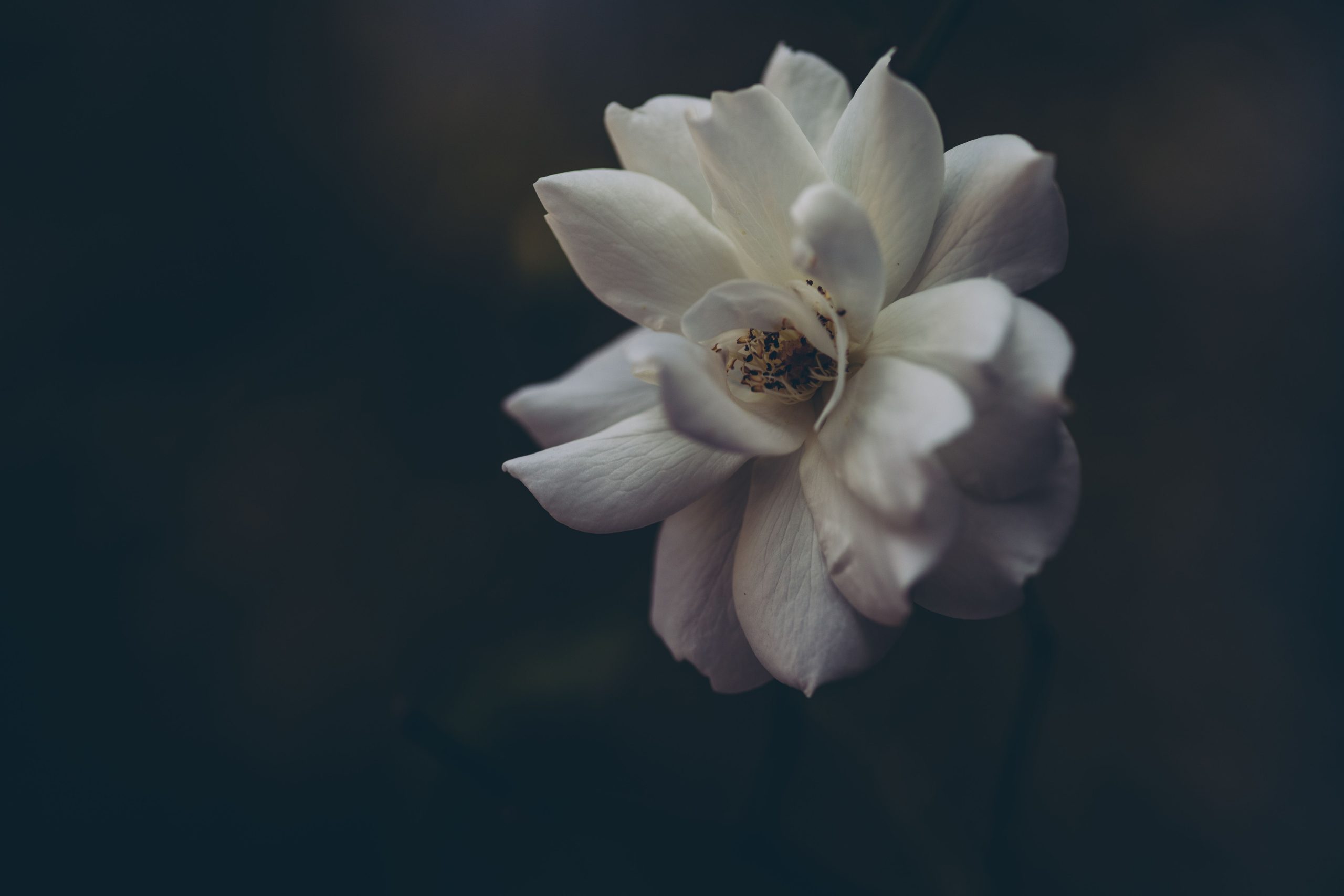
Flower buds falling off before opening is almost never a disease. It is the plant canceling an expensive project. An unopened bud is the costliest uncommitted thing a plant is carrying, so when conditions change for the worse, the bud is the first thing sacrificed. That is why the trigger is usually recent and small rather than long-standing, and why the plant looks perfectly healthy afterward. Before anything else, work out which of two failures you had: did the buds fall off the plant, or did they dry up and stay attached?
Your plant did not fail. It disinvested.
Buds do not simply fall off the way a poorly glued object does. Plants shed organs through abscission, a controlled cell-separation process that happens at a purpose-built structure called the abscission zone. In their review in the journal Plants, Botton and Ruperti describe abscission as “a natural mechanism evolved by plants to respond to different cues” that is “accomplished through a series of highly coordinated sequential events.” The hormone ethylene drives the separation, and auxin flowing from a healthy, developing organ holds it back.
That is the whole explanation in one sentence: while the plant is committed to the bud, it keeps sending the signal that holds the bud on. When the plant reads its conditions as marginal, that signal weakens, the abscission zone activates, and the bud is released deliberately. The same review notes that abscission “can be significantly affected by environmental conditions, such as light availability, temperature and drought stress.”
So the question to ask is not “what damaged my buds.” It is “what made the plant decide it could not afford them.”
Dropped or blasted? Two different failures
These get treated as one thing almost everywhere, and they point in different directions.
Dropped (abscission). The bud separates cleanly and falls, often still plump and green or showing color. You find whole buds on the floor or the soil surface, and the stem is left with a small, tidy scar rather than a torn stub. A clean scar means the plant let go on purpose.
Blasted. The bud browns, shrivels or goes papery while still attached, and may hang on the plant for days or weeks. Nothing was released. The bud died in place.
The distinction matters because blast tends to follow conditions that dry or scorch the bud faster than the plant can supply it, while a clean drop tends to follow a change the plant reads as a reason to disinvest. The American Orchid Society defines bud blast as buds that “wither and fall from an otherwise healthy plant” and calls buds “the most sensitive part of an orchid.” That last phrase generalizes well: across fragrant genera, the buds fail before the leaves show anything at all.
What changed in the last two weeks?
This is the practical output of the disinvestment idea. You are not looking for a long-standing fault. You are looking for a recent event.
- Did you move it? A new position means a different light level and often a different temperature and airflow. The New York Botanical Garden’s plant information service attributes bud loss on a gardenia brought in from outdoors to “the lower light level indoors and lack of the temperature drop at night that the plant needs.”
- Did the heating come on, or did a vent, radiator or draft start hitting it? Purdue Consumer Horticulture describes the gardenia meeting the home’s “hot, dry air and gloomy winter days,” after which buds “begin dropping from the plant in droves.”
- Did watering slip, or swing? A plant that briefly reads drought will pull resources back from buds first. The trigger is usually the swing, not the average.
- Did the air get dry? Buds lose water faster than they can replace it, and Clemson Cooperative Extension lists low humidity first among gardenia bud drop causes. How to raise humidity is equipment territory and not something this site covers.
- Was it repotted or root-disturbed? Root disturbance during bud development is a common trigger.
- Is there fruit on the counter nearby? This one is rarely mentioned and worth knowing. Ripening fruit releases ethylene, the same hormone that executes abscission. The American Orchid Society names “ethylene gas given off by ripening fruit; gas leaks” among the causes of bud blast.
One honest note: the sources do not agree on how much of this is humidity and how much is temperature. Clemson names low humidity first, Purdue emphasizes hot dry air together with low winter light, and NYBG puts the missing night-time temperature drop at the center. The temperature figures themselves differ between institutions, which is covered in more detail under cold period for plants to bloom. Treat “which factor matters most” as unsettled, and treat stability as the point they all agree on.
Why it is almost never a pest or a disease
If buds are failing while foliage looks normal, a pathogen is an unlikely explanation. Pests do reach flower buds, and Clemson’s gardenia factsheet notes that “a whitefly infestation is the most commonly occurring problem on gardenias,” with aphids also common on leaf undersides. But a pest heavy enough to strip buds usually leaves other evidence: sticky residue, sooty deposits, distorted new growth or visible insects.
Identifying and treating a pest is outside what this site covers. If you find one, take it to a university extension service, such as the Clemson Home and Garden Information Center or your own state or provincial extension office, both of which publish identification material and will answer a question directly.
Can you save the buds you still have?
Honestly, usually not the ones already committed to falling. Once the abscission zone in a bud has activated, that bud is gone, and buds that were stressed alongside it are often already on the same path. Nothing you do this week reverses that.
What you can change is the outcome of the next flush. Every source above converges on one instruction, and it is not a technique but a discipline: stop changing things. Choose the position with the best available light, accept whatever temperature pattern that position gives, keep watering consistent rather than optimal, and then leave the plant alone through the entire bud-development period, which for many fragrant plants runs for weeks. NYBG also suggests pinching off young growth emerging beside a developing flower bud, which “forces the energy of the plant into bud formation.”
If your plant never produced buds in the first place, this article is the wrong branch. Start from why a fragrant houseplant refuses to flower indoors, which sorts the no-bud causes separately.
Find your plant
The mechanism above is the same across species. What differs is which trigger each genus is most sensitive to.
- Gardenia: the most bud-drop-prone plant in this niche, and the one with the most published guidance behind it.
- Jasmine: several unrelated plants are sold under this name, and they do not all behave alike.
- Hoya: buds develop slowly on structures the plant reuses, which changes what a lost bud costs you.
- Citrus: some flower drop is normal, because the plant routinely sets more than it can carry.
Frequently asked questions
Why did my plant drop its buds right after I moved it to a better spot?
Because “better” is judged by you and “different” is judged by the plant. A move changes light, temperature and airflow at once, during the phase when the plant is deciding whether it can afford the buds it is carrying. Movement during bud development is one of the recognized triggers for bud loss, even when the new position is objectively brighter.
What is the difference between bud drop and bud blast?
Bud drop means the bud separated at the abscission zone and fell, usually intact, leaving a clean scar. Bud blast means the bud browned or shriveled while still attached and died in place. Drop points toward a change the plant reacted to. Blast points toward buds losing water or being damaged faster than the plant could supply them.
Will misting the buds help?
This site does not compare humidity methods, so treat that as a question for a general houseplant care source. What is worth knowing here is that raising humidity is a slow, environmental change, and buds already committed to falling will usually fall regardless. Stability across the whole bud-development period matters more than any single intervention.
Is bud drop caused by fertilizer?
Rarely as a direct trigger. Bud drop follows environmental change far more often than nutrition. The related and more common mistake is expecting fertilizer to produce flowers in the first place, and the research does not support that expectation either.
How long until it tries again?
That depends on the species and on where it is in its annual cycle, and no honest answer covers all fragrant plants. Some set buds only once per year, in which case the next attempt is a season away. The useful goal is not rescuing this flush but making the plant’s conditions boring enough that the next one survives.
Leave a Reply